Power-Up #5: My AI Builder Workflow in 2026
AI is no longer just a chatbot. For engineers, it has become a team of specialists.

Hi 👋, I'm Dung Huynh Duc A passionate engineer from Singapore
🔭 I’m currently working in AirCarbon
👨💻 All of my projects are available at https://productsway.com
📝 I regularly write articles on https://productsway.com
📫 How to reach me dung@productsway.com
📹 I often publish my video every Sunday on IT Man Channel
This is my current AI builder system. Instead of relying on one tool for everything, I now use different AI tools for different stages of product development. This creates a workflow that feels like having a strategist, product manager, engineer, reviewer, and assistant working together.

Stage 1: Thinking & Exploration
I use ChatGPT as my general-purpose thinking partner. Best for:
exploring startup ideas
validating opportunities
brainstorming features
discussing tradeoffs
learning new domains
improving clarity
When an idea is still messy, ChatGPT helps turn noise into direction.
Stage 2: Writing PRDs & Breaking Down Work
Amp is excellent when I need structured output. I use it for:
PRDs
feature specifications
task decomposition
implementation plans
converting ideas into execution steps
This is where vision becomes backlog.
Stage 3: Build Loop
Fireworks AI Fireworks + Kimi 2.5 Turbo
This is my execution engine. I run coding loops using OpenCode powered by Kimi 2.5 Turbo through Fireworks.
Best for:
implementing features
rapid iterations
refactoring
repo-wide changes
generating tests
debugging loops
Once tasks are clear, speed matters. This combo gives excellent value.
Stage 4: Pull Request Drafting
After implementation, I use AI to help generate:
PR summaries
changelogs
migration notes
testing notes
reviewer context
Good PRs save team time.
Stage 5: Review Layer
GitHub Copilot + AI Review Tools (CodeRabbit)
Now AI becomes reviewer. I use review tools for:
code smells
missing tests
risky changes
readability improvements
edge cases
regression checks
This reduces silly mistakes before humans spend time reviewing.
Stage 6: Alternate Model Validation
Sometimes I ask another model to review the same change. Why?
Different models notice different things.
Two opinions are often better than one.
My Actual Workflow
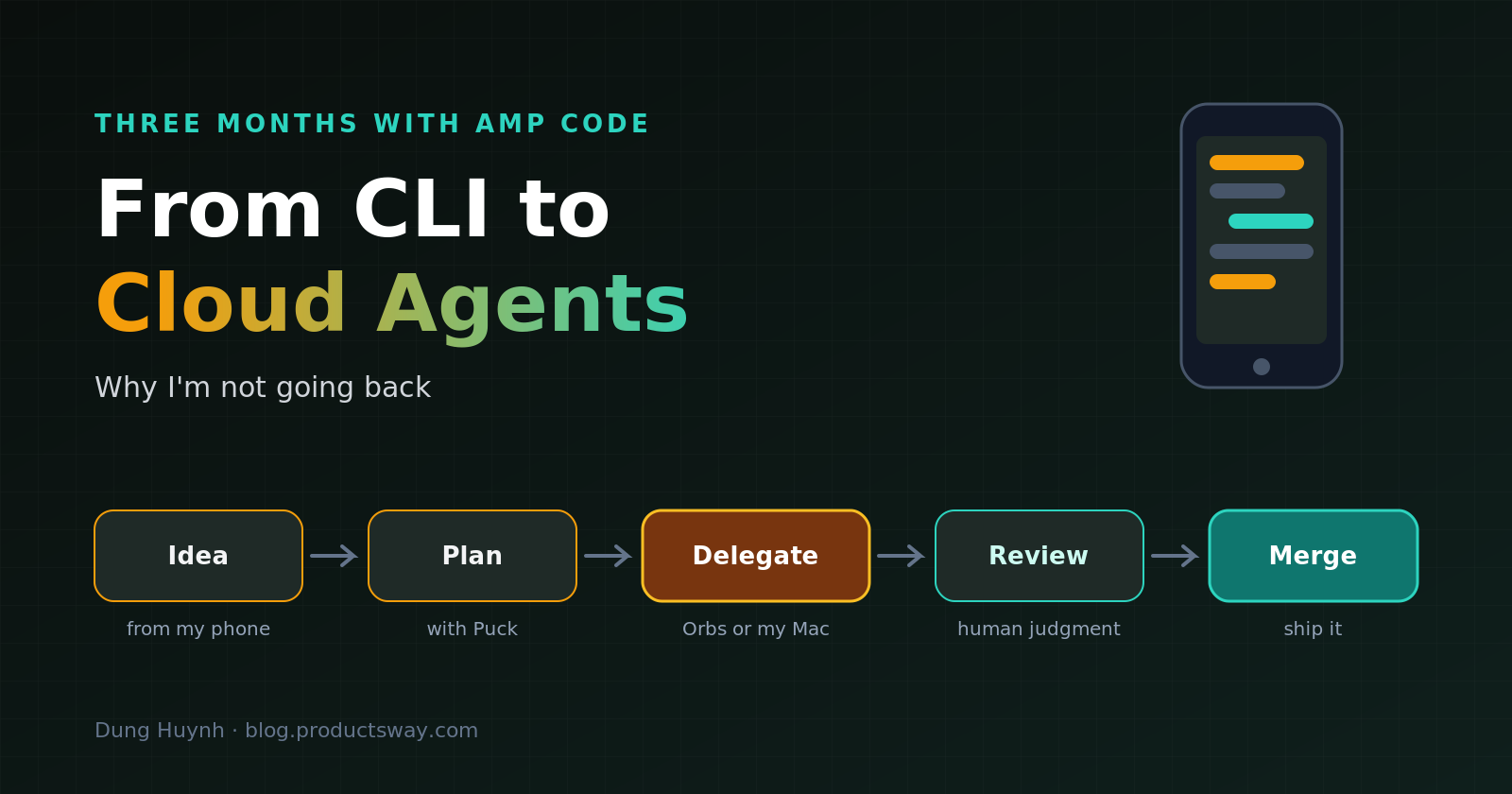
Idea → ChatGPT
PRD → Amp
Tasks → break into chunks
Code → OpenCode + Kimi Turbo
Draft PR → AI-assisted
Review → CodeRabbit
Second opinion → alternate model
Merge with confidence
Biggest Lesson
Do not ask one AI tool to do everything. Use specialists.
Thinking AI
Writing AI
Coding AI
Review AI
Validation AI
That is where leverage happens.
Why This Matters for AI Builders
This workflow lets one engineer operate like a small team:
PM
Developer
QA
Reviewer
Tech writer
That changes the game.
Final Thought
The future is not one model.
The future is orchestrating multiple AI tools into one personal software factory.
That is my real power-up in 2026.